

Farmer-Based Organizations (FBOs), Small and Medium-sized Enterprises (SMEs) and aggregators have been offered practical training on food safety protocols, product registration requirements and processes, quality standards and regulatory requirements necessary for running a successful business, by Agrihouse Foundation’s Boost to Bloom project team.
The training, which forms part of the Boost to Bloom Project was held on Thursday September 10, 2026, at the Kumbungu District Assembly to provide businesses and value chain actors with the knowledge and support needed to improve their operations and take advantage of market opportunities.
A major focus of the training was helping participants understand the importance of meeting food safety and quality requirements. Through sessions led by officials from the Food and Drugs Authority (FDA) and the Ghana Standards Authority (GSA), participants were taken through some of the key requirements businesses need to consider when producing and marketing food products.
The FDA session, led by Mr. Hafiz, focused on food safety and hygiene, premises licensing, product registration and other regulatory requirements.
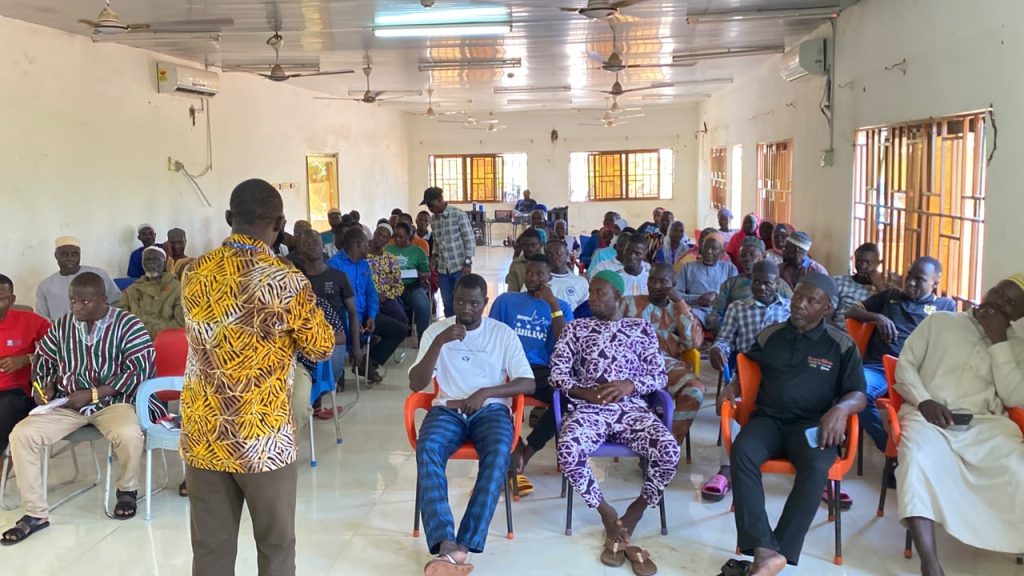
One of the most engaging aspects of the session was the discussion around participants’ perception of regulatory institutions. Some participants explained that they had previously viewed the arrival of FDA or GSA officials with fear, believing that their businesses could be shut down simply because officials had visited their premises. The discussion helped to change that perception.
Participants learnt that regulatory requirements are not only about enforcement. They are also designed to protect consumers, promote safe production practices and ensure that products placed on the market meet acceptable health and safety standards.
The importance of FDA product registration was also explained. Registration provides assurance that a product has gone through the required regulatory process and can help demonstrate that it is produced under appropriate conditions. For businesses, this can also contribute to greater consumer confidence and credibility in the marketplace.
The cost associated with product testing and registration was another concern raised by participants. Some indicated that the financial requirements can discourage businesses from approaching the FDA.
However, the session encouraged participants to view these costs as an investment in their businesses. While testing and registration may involve fees, compliance can help businesses build trust, strengthen their products and create opportunities to compete more effectively in the market.
The training also featured a session by the Ghana Standards Authority, facilitated by Mr. Rafiq, which focused on product quality, packaging, labelling, standards certification and market compliance.
Participants were encouraged to pay attention not only to the quality of what they produce, but also to how products are packaged, labelled and presented to consumers. Proper labelling and packaging, for instance, can provide consumers with important information about a product while also contributing to its professional presentation and marketability.
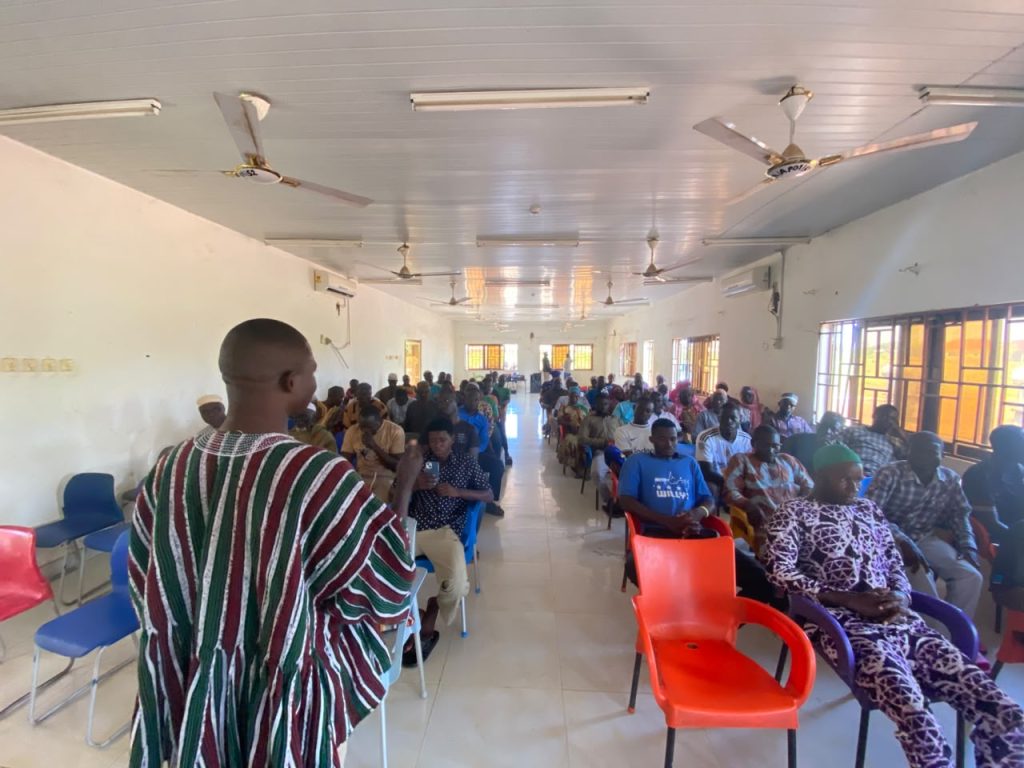
Unlike a session where participants simply listened to presentations, the training became an open discussion, with FBOs, SMEs and aggregators asking questions, raising concerns and seeking clarification on issues affecting their businesses.
The discussions demonstrated a growing interest among participants in understanding the requirements that govern the production and sale of food products. More importantly, the session helped connect regulatory compliance to the everyday realities of running a business from maintaining hygienic production environments to testing, registering, packaging and properly presenting products for the market.
Through the training, the Boost to Bloom Project continues to support businesses with knowledge that can help them move beyond production and build enterprises that are safer, more compliant, credible and better positioned for market opportunities.