
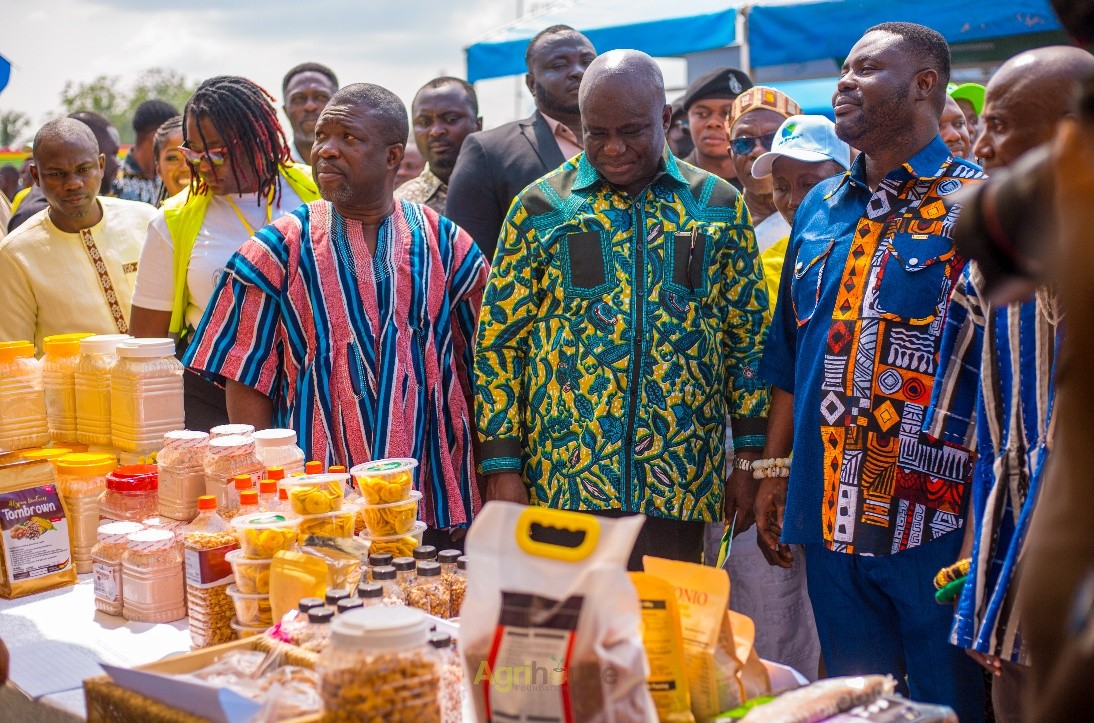
It is legitimate to wonder what you stand to gain as an exhibitor at the biggest exhibitions platform; so, it is important to know all those benefits that come your way as an organization.
The National Farmers’ Day and Food and Agricultural Trade Fair (NAFAGRO) by the Ministry of Food and Agriculture (MoFA) has over the years been a platform where Ghana’s agricultural setbacks meet real solutions.
From November 30 to December 4, 2026, Sunyani in the Bono Region will host the National Farmers’ Day and Food and Agricultural Trade Fair (NAFAGRO), bringing together participants from across Ghana’s agricultural and food value chain.
The exhibitions, organized by Agrihouse Foundation is expected to feature farmers and farmer organisations, agribusinesses, input suppliers, machinery and equipment providers, financial institutions, researchers, technology and innovation companies, development partners and other sector players.
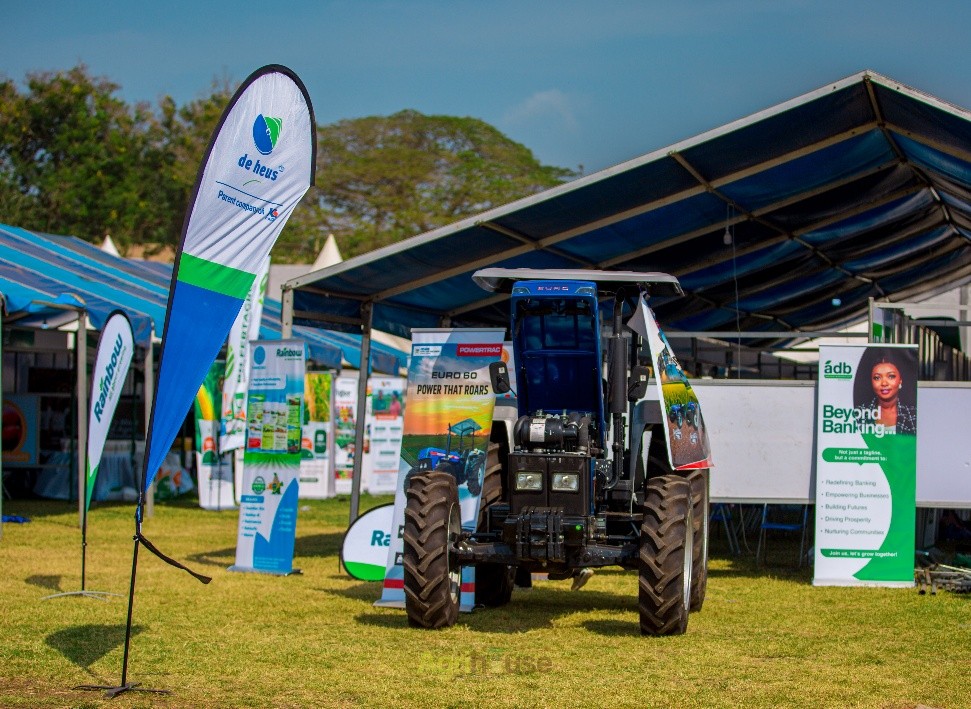
NAFAGRO 2026 isn’t just a marketplace for exhibitions but a hub for innovation and Ghana’s agricultural solutions, where a farmer looking for a better way to produce, a processor searching for reliable suppliers, a young agripreneur seeking opportunity, a financial institution looking to reach agribusinesses, or a technology company with a solution for agriculture, connect to respond to each other’s need, offering something more valuable than a place to display products.
Under the theme “Our Farmers, Our Food, Our Future,” the event creates an opportunity to look beyond the ceremony and recognise what happens when the people who produce food meet the people, institutions and businesses that can help them produce, process, finance, market and grow.
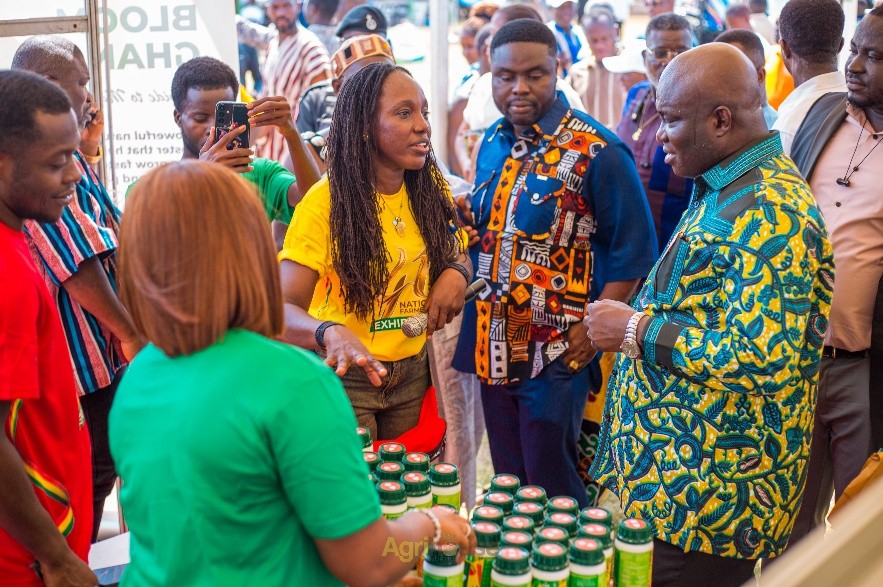
For many people working in agriculture, one of the biggest challenges is not a lack of ideas or determination. It is knowing who to speak to next.
A farmer may need better machinery but not know which provider can offer the right solution.
A processor may have capacity but need a dependable supply of raw materials.
An agribusiness may have a promising product but need distributors, buyers or financing.
A young entrepreneur may have an idea but need a mentor, technical partner or first serious customer.
An exhibition can bring many of those conversations into one place.
The value, therefore, is not simply in walking around exhibition stands. It is in asking questions, comparing solutions, exchanging contacts, demonstrating products, understanding what others are doing and identifying where interests and needs meet.
That is the human side of agricultural exhibitions: people discovering people who can help move an idea forward.
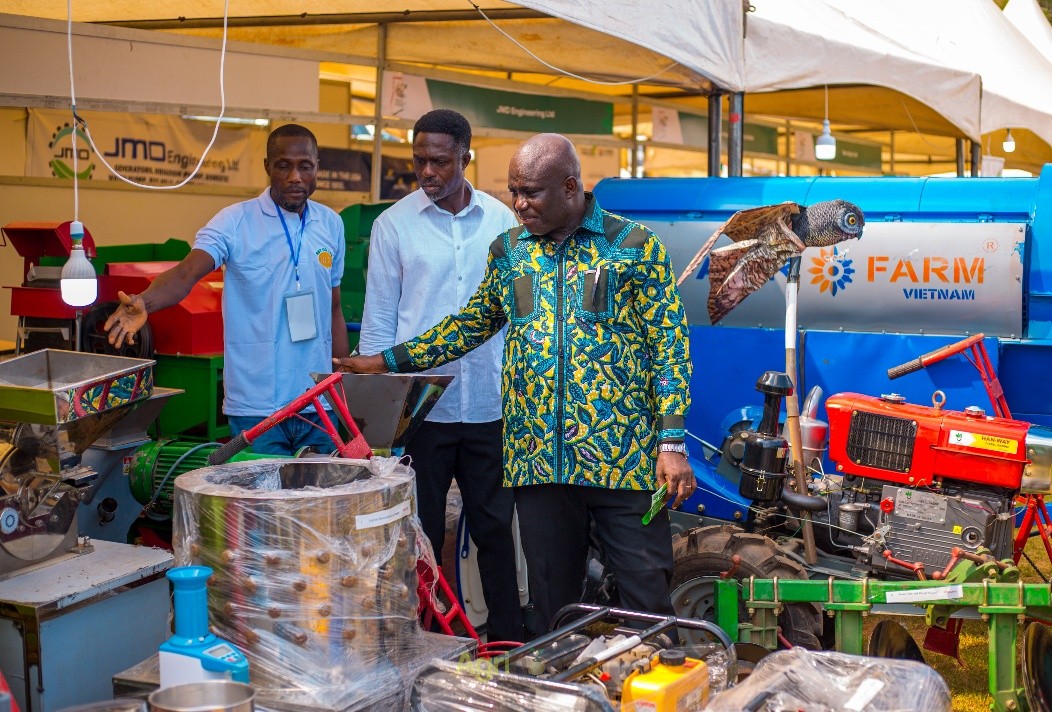
A Place to Discover What is Changing in Ghana’s Agricultural Landscape
Agriculture is changing quickly, and it becomes a requirement for farmers and agribusinesses to adopt and adapt through knowledge sharing, and NAFAGRO provides the platform where industry actors within the entire value chain meet to learn, unlearn and relearn to suit modern agricultural demands.
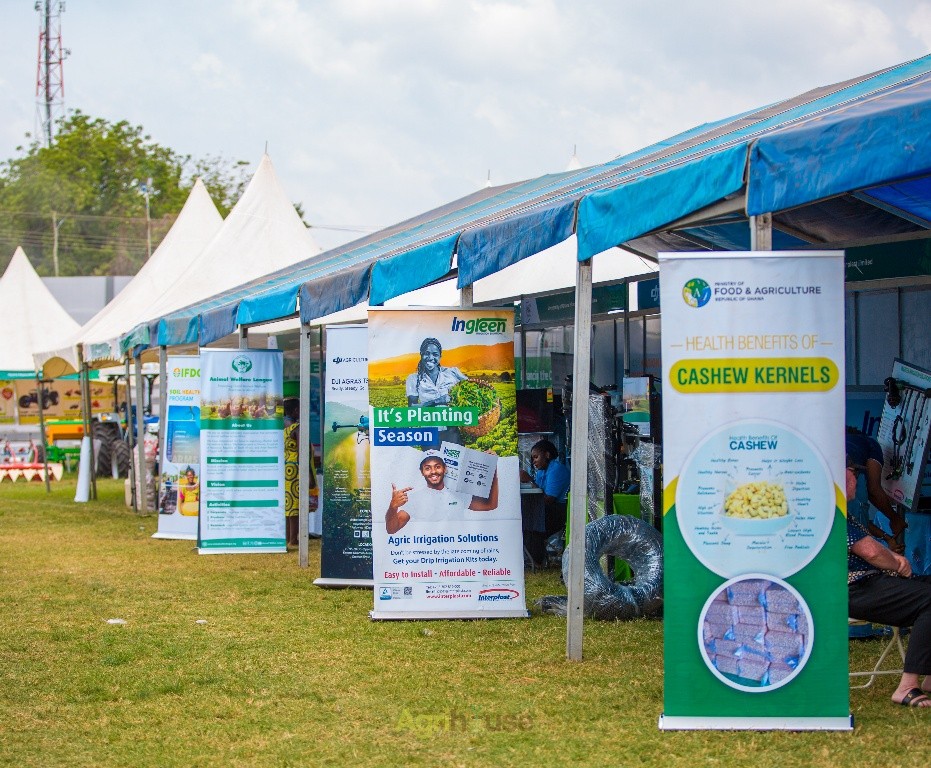
At the exhibitions, participants will have an opportunity to encounter technologies, machinery, inputs, processing solutions, financial services, research, digital tools and other innovations relevant to today’s agriculture. NAFAGRO 2026 becomes the platform where an agricultural fair, innovation and research exhibitions and opportunities for agribusinesses, researchers, financial institutions and farmer-based organisations to showcase technologies, innovations and investment opportunities.
For a farmer, this could mean discovering a technology that saves time or reduces losses.
For a processor, it could mean finding equipment that improves efficiency.
For a young agripreneur, it could mean discovering a digital or technical solution that makes an enterprise more competitive.
And for an organisation providing solutions, it is an opportunity to hear directly from the people who will eventually use them.
That exchange matters because good agricultural solutions become more useful when they are shaped by the realities of the people working on the ground.
Connect, Build Relationships and Broaden Your Network
One of the less visible but potentially most important benefits of an exhibition is networking.
Agriculture depends on relationships as the sector is interconnected and interdependent. Where the farmer needs input suppliers, extension support, finance, transporters, aggregators and buyers, Processors also need producers and markets. Researchers need farmers and businesses to test and apply innovations. Financial institutions need to understand the businesses they finance. Young entrepreneurs need connections to people with experience, capital, knowledge and markets.
Bringing these groups together creates the possibility for those relationships to begin and thrive. The real value of a conversation at an exhibition may establish a permanent meaningful connection and a network of real opportunities and value.
Gain Visibility That Can Expand Your Reach
For smaller farmers, women-led enterprises, young agripreneurs and emerging businesses, visibility can be particularly important as helps businesses scale up.
Many excellent products and enterprises remain relatively unknown due to the lack of visibility to present what they do to a wider audience.
NAFAGRO offers an exhibition platform that creates a physical space to show, explain and demonstrate agricultural solutions and innovations.
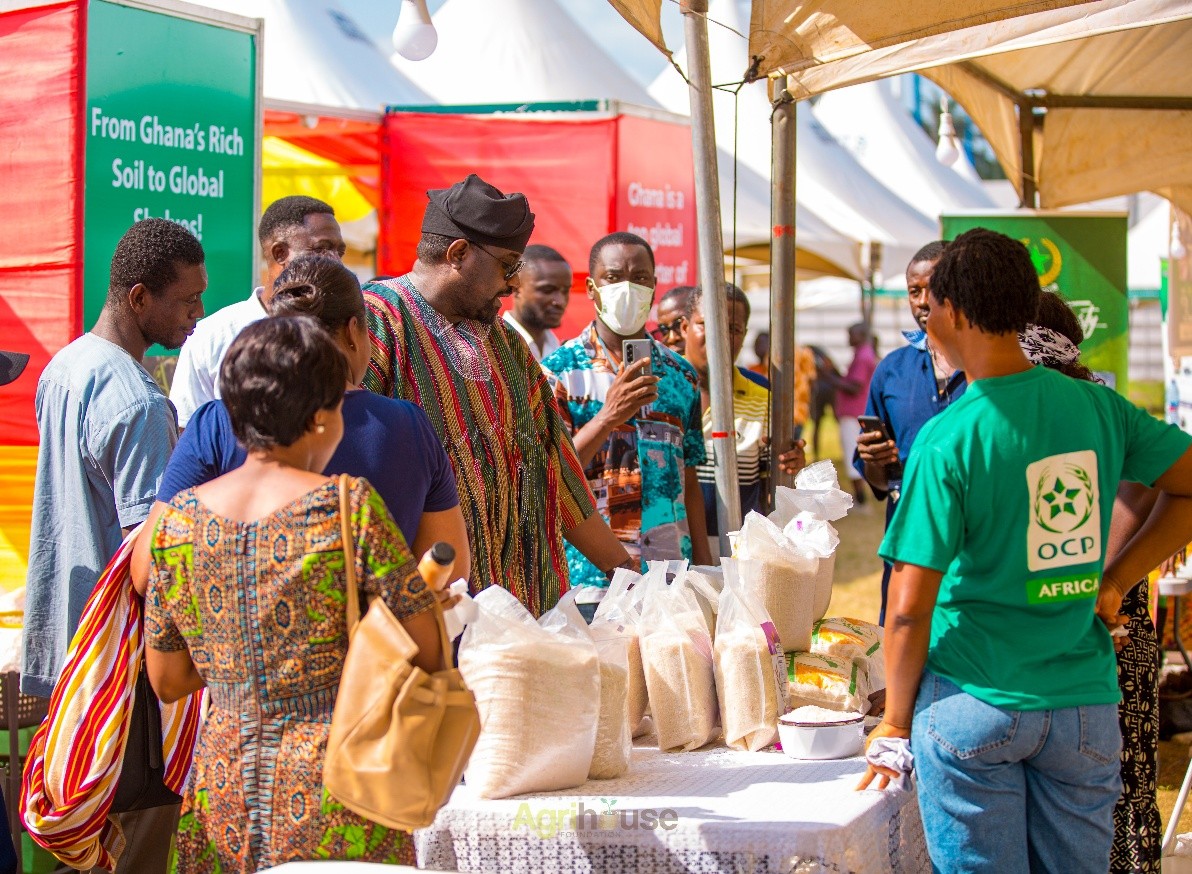
When farmers can meet buyers, input providers, technology companies, financial institutions, researchers and other service providers in one environment, the conversation around agricultural development becomes more practical, as it provides another opportunity to listen to them, understand their needs and connect them to useful solutions.
Who Should Exhibit or Participate?
- Farmers should come to discover solutions, build relationships and understand opportunities that can improve their enterprises.
- Agribusinesses should come to showcase what they offer, meet potential customers and build strategic relationships.
- Processors and manufacturers should come looking for supply-chain connections, technologies and new business relationships.
- Financial institutions can use the platform to understand the businesses and people shaping Ghana’s agricultural economy.
- Technology and innovation companies can demonstrate solutions and hear directly from potential users.
- Researchers and institutions can connect knowledge and innovation with the people who need them.
- Young people can explore the many careers and businesses that exist beyond the traditional image of farming.
- Input Suppliers should come to showcase quality fertilisers, seeds, agrochemicals, irrigation solutions and other inputs while connecting with farmers, agribusinesses and potential markets.
- Machinery & Equipment Providers should come to demonstrate practical technologies, machinery and equipment that can improve productivity, efficiency and value addition across the agricultural sector.
- Financial Institutions should come to connect with farmers and agribusinesses, understand their financing needs and showcase products designed to support agricultural growth.
- Donor Agencies & Development Partners should come to connect with farmers, institutions and businesses, showcase development initiatives and identify opportunities for collaboration and impact.
- Regional Coordinating Councils (RCCs) should come to showcase the agricultural potential of their regions, connect local enterprises to opportunities and strengthen relationships across the value chain.
- Government Organisations should come to engage directly with sector stakeholders, share programmes and services, and strengthen collaboration around agricultural development.
- MoFA Directorates should come to share technical knowledge, programmes, services and opportunities while engaging directly with farmers and other value-chain actors.
- Farmer Associations should come to showcase their members and products, build market connections, exchange knowledge and access opportunities that can strengthen their organisations.
- Agribusiness Chambers should come to connect businesses across the agricultural value chain, facilitate partnerships and create opportunities for trade and investment.
- SMEs should come to showcase their products and services, meet potential customers and partners, and expand their business networks.
- Poultry Businesses should come to showcase products, technologies and services while connecting with farmers, suppliers, buyers, financiers and other poultry-sector players.
- Livestock Businesses should come to build connections across the livestock value chain, discover new solutions and explore opportunities for markets, partnerships and growth.
- Food Vendors should come to showcase local food products and culinary offerings while connecting with consumers, suppliers, businesses and potential customers.
- Beverage Companies should come to showcase locally produced beverages, discover new market opportunities and connect with suppliers, distributors and consumers.
- Tourism Businesses should come to connect agriculture with tourism opportunities, showcase experiences and products, and build partnerships that promote Ghana’s agricultural and cultural attractions.
- Hospitality & Wellness Businesses should come to showcase their services, connect with food producers and suppliers, and explore partnerships across agriculture, tourism, wellness and hospitality.
Whether you produce, finance, process, supply, innovate, regulate, promote or consume, there is a place for you at the 2026 Farmers’ Day Exhibitions.
Come to discover products and technologies, meet new people, build networks, find markets, create partnerships and contribute to a stronger agricultural value chain.